
Understanding Credit Scores: What Borrowers Should Know
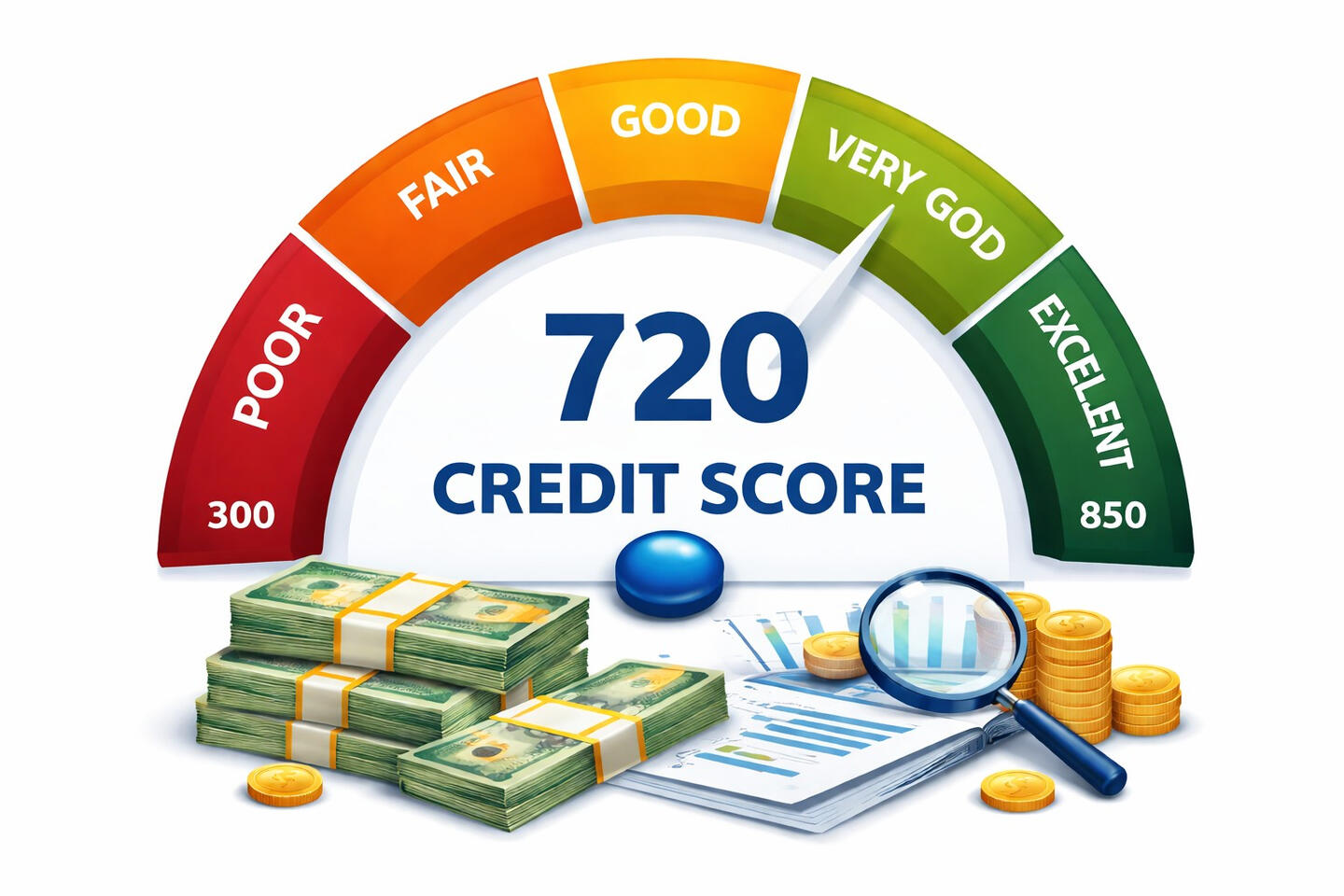
Credit scores can play an important role when borrowers begin exploring personal loans, debt consolidation, and other financial options. While a credit score does not always determine the full outcome by itself, it may affect the types of offers available, the cost of borrowing, and the terms a provider may be willing to present.This page is designed to help borrowers better understand what credit scores are, what may influence them, and why they may matter when comparing personal loan and debt consolidation options.
What is a Credit Score?
A credit score is a numerical measure that may be used to help evaluate a borrower’s credit profile. It is generally based on information from a person’s credit history and may be used by providers as one part of a broader review process.Credit scores are often considered alongside other factors such as:-income consistency
-current debt obligations
-recent credit activity
-employment history
-overall repayment capacityA credit score can help provide a snapshot of credit-related behavior, but it does not always tell the full story on its own.
General Credit Score Ranges
Credit scores are often grouped into broad ranges that may help describe a borrower’s general credit profile. While providers may use their own review standards, these ranges are often discussed in general terms such as:-Poor: below 580
-Fair: 580 to 669
-Good: 670 to 739
-Very Good: 740 to 799
-Excellent: 800 and aboveThese ranges do not guarantee approval or specific terms, but they may affect how providers review borrowing options, rates, fees, and overall flexibility. A provider may still consider other factors such as income, debt obligations, and recent credit activity.
What Can Affect a Credit Score
A credit score may be influenced by several factors related to a borrower’s credit history and financial behavior. These may include:-payment history
-amounts owed
-length of credit history
-recent credit inquiries
-mix of credit accounts
-negative marks such as delinquencies or collectionsBecause several factors may play a role, a credit score can change over time based on how a borrower manages current obligations and future credit activity.
Why Credit Scores Matter for Borrowing
Credit scores may matter because providers often use them as one way to evaluate financial risk when reviewing personal loan or debt consolidation options.A credit score may affect:-whether options are more limited or more available
-whether borrowing costs may be higher or lower
-whether a provider may offer a smaller or larger amount
-whether repayment terms may be more or less flexibleFor borrowers, understanding this can make it easier to compare options more realistically and avoid making decisions based only on hope or urgency.
Why Credit Score Is Not the Only Factor
While credit score can be important, it is usually not the only thing providers review. Many providers may also consider:-Income stability — whether your income appears steady enough to support a new monthly payment.-Current monthly debt obligations — the debt payments you already have each month, such as credit cards, loans, or other recurring balances.-Debt-to-income ratio — a comparison of your monthly debt payments to your monthly income.-Recent credit activity — recent applications, inquiries, or new accounts that may affect how your profile is reviewed.-Requested loan amount — how much you are asking to borrow compared with your current financial situation.-Overall repayment capacity — your general ability to manage and repay a new obligation based on income, debt, and budget.Two borrowers with similar credit scores may still receive different outcomes depending on the rest of their financial picture. That is why it helps to think of credit score as one part of a broader profile rather than the only deciding factor.
Ways Borrowers May Improve Their Position
Borrowers who want to strengthen their overall profile before comparing options may benefit from taking a few practical steps over time. These may include:-reviewing credit reports for errors
-paying bills on time consistently
-reducing balances where possible
-avoiding unnecessary new applications
-lowering overall debt pressure
-improving income stability where possible
-reviewing budgets before taking on new obligationsImproving financial readiness does not guarantee a specific outcome, but it may help borrowers compare options more carefully and reduce unnecessary risk.
Understanding Credit Scores: What Borrowers Should Know
Many borrowers do not realize how strongly credit scores influence loan approvals, interest rates, and available borrowing options.
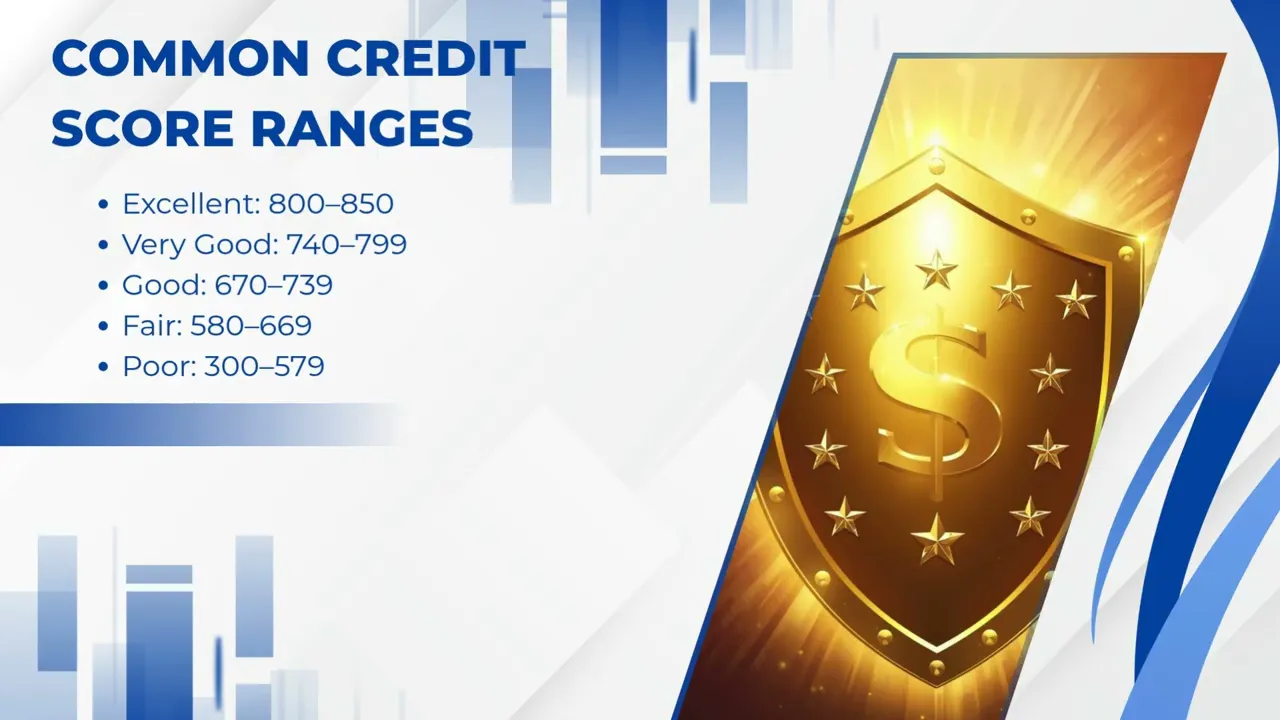
This educational video explains how credit scores affect borrowing options and what lenders consider when evaluating loan applications.
Frequently Asked Questions
What is a credit score?
A credit score is a numerical measure that may be used to help evaluate a borrower’s credit profile based on information in their credit history.Do credit scores affect personal loan options?
They may. Credit scores can affect the number of available options, borrowing costs, fees, and repayment terms, though providers may also review other financial factors.Is credit score the only thing that matters?
No. Providers may also review income, current debt obligations, recent credit activity, and overall repayment capacity.Can a credit score change over time?
Yes. Credit scores may change based on payment behavior, balances, recent credit activity, and other factors tied to a borrower’s credit history.Why should borrowers understand their credit score before applying?
Understanding a credit score may help borrowers compare options more realistically, review readiness, and avoid unnecessary applications.
Ready to Compare Personal and Debt Consolidation Options?
Explore personal loan and debt consolidation options more responsibly based on your profile and borrowing needs.
DisclaimerVETROS Financial Solutions LLC is not a lender, does not make credit decisions, and cannot guarantee loan approval or loan amounts. No application fee is charged. Loans are not available in all states. Short-term loans are not a long-term financial solution. Amounts and terms vary by lender and state.